Everything I Read in March 2020

WHEW, what a decade -I mean month- March 2020 has been! As you all know, sh*t really hit the fan this month regarding the international COVID-19 pandemic. As of March 14th, I’ve been kooked up in my 2-bedroom DC apartment, working from home and trying to avoiding the outside world as much as possible. It’s been a weird time; a totally new routine, less physical movement, much more time spend with my significant other. But one silver lining: I have been a reading machine!

With this burst of reading, and just building off of the momentum I’ve had, I actually decided to nearly double my 2020 reading goal from 28 to 50 books! I’m about 2 books ahead of schedule right now, so it seems doable!

Without further adieu, here’s everything I read in March 2020:

81M7D39GAWL.jpg

The Girl with the Louding Voice by Abi Daré

Ooh did I love this one that I found through Book of the Month! The Girl with the Louding Voice is a stunning debut novel from Abi Daré, which I serendipitously finished on International Women’s Day. The book was vivid, intense, and emotional. I so admired the strength and perseverance of main character, Adunni, a young Nigerian girl, navigating life after her mother’s passing and arranged polygamist marriage. The book is written in the vernacular of Adunni’s town in Nigeria, which I thought added a unique authenticity to the book. Despite the many hardships Adunni endures, she is ever resilient in her quest for an education and to be the version of herself that she knows is so much bigger than a life as a subservient, uneducated house wife.

  • Overall Score: A+

10Cooke2-jumbo.jpg

Maid is the powerful narrative of a hardworking woman who, because of circumstance, struggles to make ends meet while supporting her daughter and trying to maintain a semblance of a personal life that brings her joy. Stephanie Land speaks truth to power by sharing her story of struggles and triumphs as a low-income worker, juggling multiple labor intensive jobs, several different forms of government assistance, and working towards a college degree.


This book received quite a bit of criticism, but to me, it's a book that is critical to breaking down the stigmas that surround the low-income and homeless populations in our country. It challenges and refutes preconceptions that many have of the "lazy" welfare recipient, gaming the system in an effort to avoid working. Land's story couldn't be farther from that narrative.

As a reader, you feel the weight of those stigmas on her as she shamefully presents food stamps at the cash register, only adding to the tremendous stress she feels continually adding and subtracting every expense to make ends meet and feed her daughter. Land is forced to make really tough decisions about housing and child care, because she truly has no other options. It tugs at your heart and really makes you think hard about the deeply rooted systems that have forced so many to scrape by in this way.

One thing I wish Land would have talked about more is the role race placed throughout her whole journey. Otherwise, this was her story to tell and I'm glad that she did.

  • Overall Score: B

915ReCsxnNL.jpg

Ask Again, Yes by Mary Beth Keane

Ask Again, Yes is absolutely riveting. I was hooked from beginning to end.

Mary Beth Keane did an exceptional job building suspense and drama throughout the entirety of the book that kept you guessing and reading. This is a book that is takes a intimate look at the messiness of life; the complexities of love and family and forgiveness. She definitely doesn't shy away from exploring the tough topics in this book either, such mental health disorders, substance abuse, and infidelity. That the core struggles of the book span generations adds a lot of depth and authenticity to the story, as you can imagine an event of that nature reverberating through the families. I found nearly all of the characters very well developed, multifaceted, and nuanced, as I believe all good characters are.

If you read Little Fires Everywhere and were a fan, I'd definitely recommend picking up this one!

  • Overall Score: A+

511Dl74cE9L._SX328_BO1,204,203,200_.jpg

The Great Alone by Kristin Hannah

I picked up this one because I love historical fiction and was such a fan of Hannah’s other book, The Nightingale. Much like The Nightingale, Hannah’s strength as a writer lies in her keen ability to transport you to a specific place and time in history. She is an expert at bringing scenes to life by activating all of the senses, and in The Great Alone, we’re taken on an adventure to a remote Alaskan town. We get to know Alaska for the contradiction that it is: equal parts beauty and serenity mixed with desolation and danger. The book is filled with juxtapositions like this, including that of the relationships it portrays. There is the the beauty and youthful purity of Lenis relationship with Matthew sidled up against the anger and deeply unhealthy relationship of Lenis parents.

Leni is a dynamic main character, defined by her adaptability and strength. She learns to love this new and starkly different world she is thrown into. She is the embodiment of perseverance and resilience, displaying a strength and wisdom that goes beyond her years in spite of the very challenging and turbulent situations she finds herself in.

Like most of the other critiques of this story, my only complaint is that the ending did feel rushed and almost too neatly tied up in a way. All in all, though, that didn’t take away from what I found to be an excellent novel. This is a story about the bonds of family with elements of tragedy, romance, and history all tied in. I highly recommend this read!

  • Overall Score: A-

Such a Fun Age by Kiley Reid

Such a Fun Age was such a fun read (oops - had to.)! The writing is modern and relatable; it felt like I was hanging out with friends my age. I also liked the character development and the plot line. I didn’t see the intersection of the different story lines at first and I wasa on the edge of my seat when I realized how they would combine in the most cringe worthy way! I also loved Emira’s epic mic drop towards the end. As easy as this book was to read, it definitely shines a light on issues of race and affluence. An excellent debut novel from Kiley Reid!

  • Overall Score: A

Choose Wonder Over Worry: Move Beyond Fear and Doubt to Unlock Your Full Potential by Amber Rae

I first discovered Amber Rae on Instagram (@heyamberrae) where I fell in love with her playfully handlettered charts and graphics containing nuggets of motivation and inspiration. Amber Rae is a fervent re-framer of negative thought patterns or narratives that many tell themselves. When I saw that she had written a book, I eagerly pre-ordered myself a copy.

As someone who struggles daily to manage my anxiety and worry, this was a personal read for me. And as a creative as well, I completely relate with the dichotomy of wonder and worry, if only it were simpler to sub one out for the other.

Choose Wonder Over Worry was a quick read, with a lot of guided journaling prompts throughout to encourage the reader to really reflect on the things she brings up.

This had a bit of what I tend to find in most self-help books which is that they sometimes repeat the same thing over and over again in different ways for the entirety of the book where I’m like... that could have been an article and achieved the same thing but saved me some time. Another bummer was that all of the illustrations included in the book were extremely simple and in black and white. I think including colorful and more creative ones like she posts on Instagram would have served her better here.


Overall, I did feel like there were some constructive and inspiring ideas that I took away from the book.

  • Overall Score: C+

Everything I Read in January and February 2020

As I mentioned in my recap of everything I read in 2019, as I moved into the new year I wanted to start sharing my reads and reviews on a monthly basis instead of just a year-end round up! Because of when I came up with this idea (inspired by the Stripe) my first post will encompass my reads for both January and February 2020, but I’ll switch to single month recaps after this.

Without further adieu, here is everything I read in January and February:

81M7D39GAWL.jpg

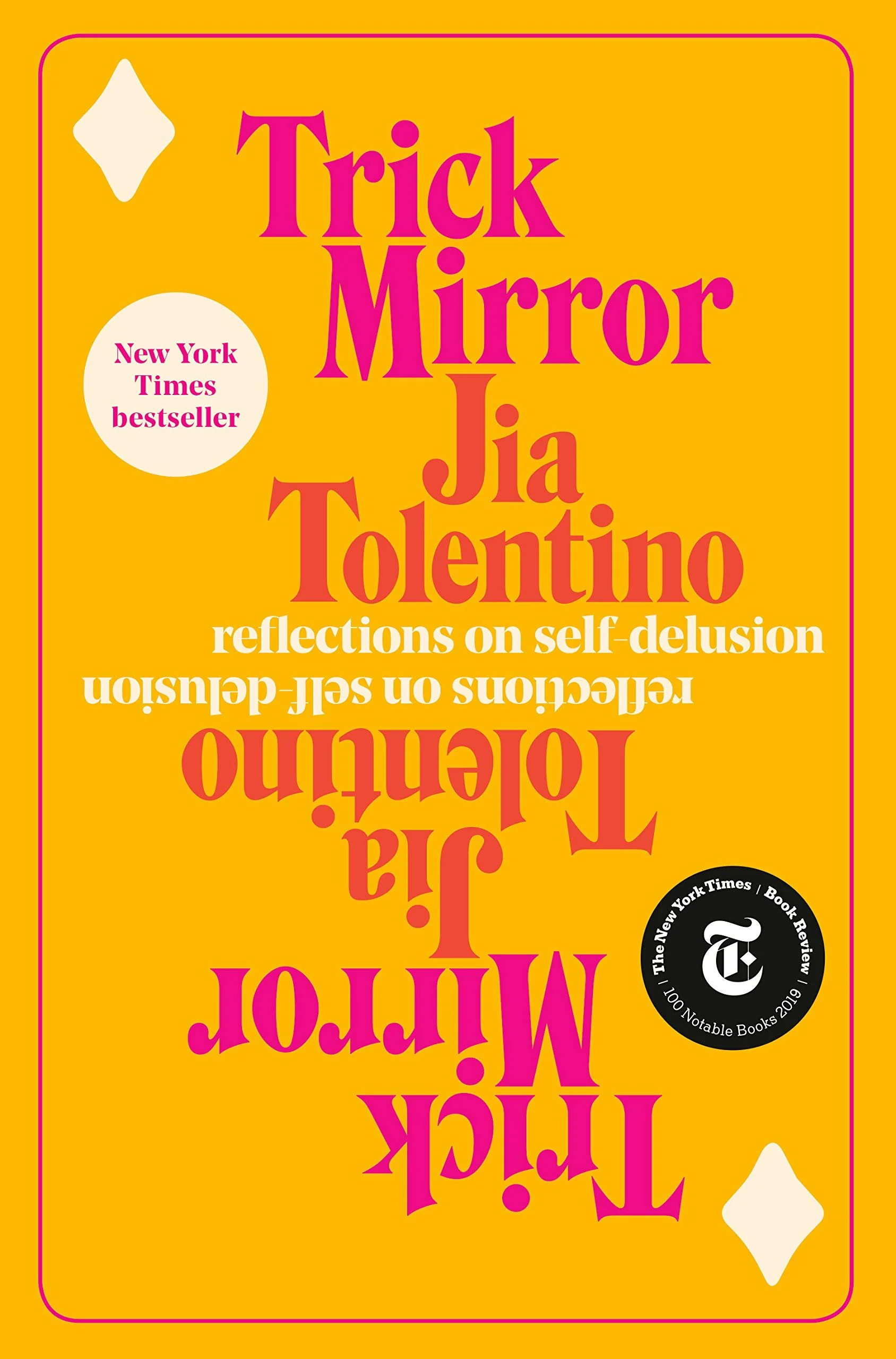
Trick Mirror: Reflections on Self Delusion by Jia Tolentino

Wow, I LOVED this book! Jia is such a phenomenal writer and is so incredibly intelligent. Each of her essays forced me to think deeper about institutions and values and constructs in our generation and society that we sometimes take at face value and don’t grapple with enough.

I underlined so many thought-provoking sentences and added tons of books to my “Want to Read” list that she references in her essays. This book is very well researched and offers the reader so much to think about. I love that this book challenged me to challenge myself about some really important topics. Highly recommend!

  • Overall Score: A+

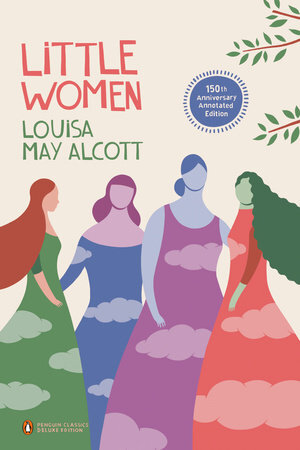
Little Women by Louisa May Alcott

I was thrilled at the revival of this classic novel and that it was selected by my book club as our first read of 2020. It coincided with the release of the new Greta Gerwig film adaptation 
(which got so much hype so I was dying to see it) but I decided to hold off and finish the book before I saw the movie and I’m glad I did! (I adored both the film and the book - but that’s a different story.)

What I love most about this story is how enduring it is over 150 years after it was originally published. Of course there are plenty of things that aren't the same nowadays, but the human struggles it portrays, paricularly those of women finding their place a world that often wants them to be a certain type of way, are relevant to today's readers. In the four March sisters, the book shows four very different ways of existing in the world as a girl, and offers the value and allure of each, while not ultimately saying that one is better than the other; ultimately, a very feminist idea.

As one of four siblings who are all rather close, I related a lot with the sister's sibling dynamics and their relationship with Marmee, who was nearly always the deliverer of life lessons that tied up the chapters quite neatly.

My biggest qualm with the book is Jo's ending, because it just felt too neat and inconsistent with the rest of her story line. I spent a lot of time wondering if Alcott wanted to leave leave Jo unmarried, but had pressure by her publisher to add that ending for her. Hard to say whether I think that was an intentional choice of Alcott's or if it was "just how books of that time ended." She pushed the envelope in several ways with her novel, that maybe that was one area where she had to concede for it to be published. Who's to say! 


All in all, I highly recommend this classic for all readers!

  • Overall Score: A

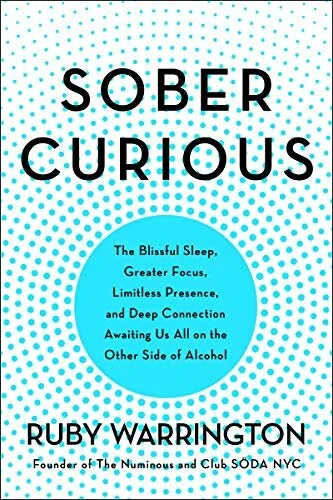
Sober Curious: The Blissful Sleep, Greater Focus, Limitless Presence, and Deep Connection Awaiting Us All on the Other Side of Alcohol by Ruby Warrington

At the start of the new year, as I embarked on yet another "Dry January," I began thinking a lot about the role of alcohol in my life and the lives of my loved ones. That led me to pick up Sober Curious by Ruby Warrington, a book I heard heard about and a title I felt resonated with my current feelings on the topic. I was curious to learn more about others' experience limiting or eliminating alcohol, or at the very least, taking a long, hard, and honest look at my habits and the affect they have on my life. Warrington posits questions like, "Could it be possible that it’s harder not to become alcohol dependent, to develop the habit of drinking, than it is to maintain a perfectly 'healthy' relationship with booze?" I think that's totally possible.


Warrington says, "When it comes to learning to trust in your own power over your own life, more awareness—meaning less pretending, less hiding, less shame—is always the aim." More awareness is what I was in search of with this book and, as such, I used this book as an opportunity to be critical (but gentle) with myself about this area of life. My relationship with drinking is still continually evolving, but I appreciated the "check in" that Sober Curious offered.

The book is truly not "anti-alcohol" in my opinion. Warrington simply shares her experiences and allows readers to take from it what they may. I did find it perhaps a little repetitive and didn't absolutely love the writing, but overall I would recommend it to others for the same reasons that I enjoyed it.

  • Overall Score: C

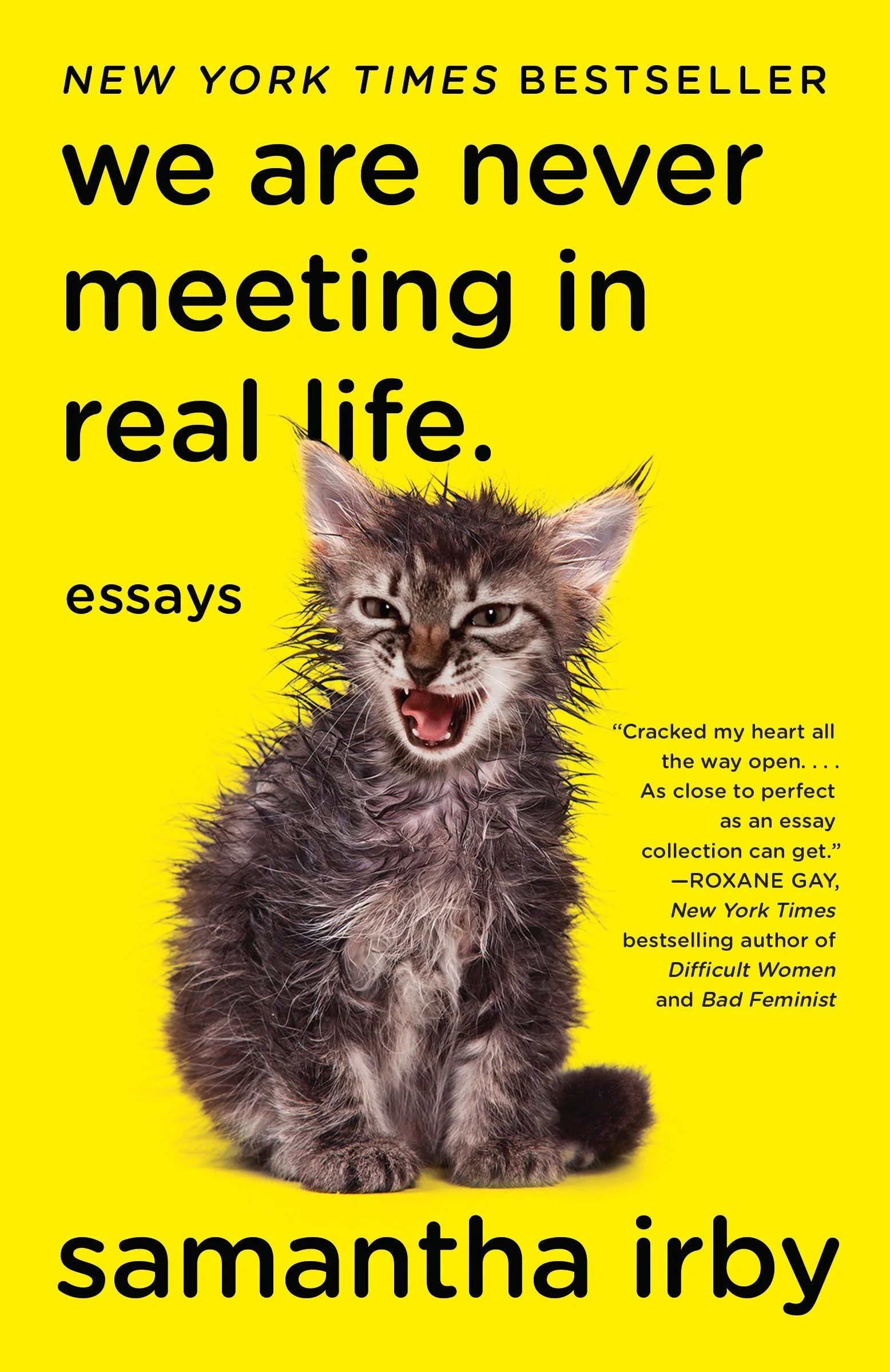
We Are Never Meeting in Real Life by Samantha Irby

My Goodreads review when I finished this one simply read, "Samantha Irby is seriously hysterical. She is so authentically herself and I adore it," and honestly, that kinda sums it up for me. I won't lie, I was partly drawn to the book because of it's cover (#catlady), but I hung around for the often self-depracating, brutually honest and smart laughs. This one's probably not for the faint of heart, but I enjoyed it as a short, spicy read in between my usual novels. I’m excited to read her next books of essays, Wow, No Thank You, which is coming out at the end of this month!

  • Overall Score: B

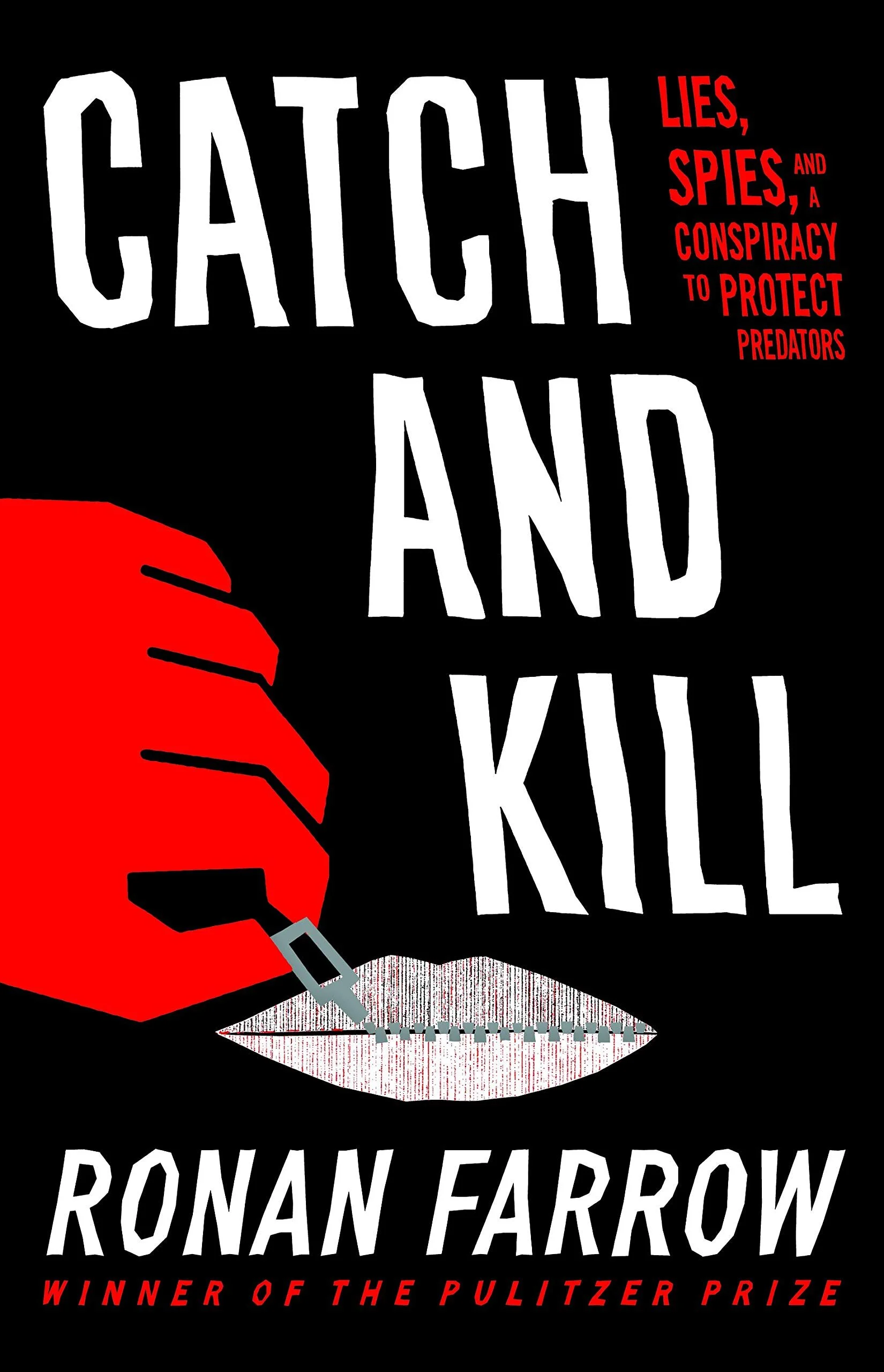
Catch and Kill: Lies, Spies, and a Conspiracy to Protect Predators by Ronan Farrow

Okay, so…to begin, this story is a really important story to be told about a horrific, serial rapist and how systems of power enabled him to continue hurting women for decades. That said, it was a little hard for me to get through this book. A few things I think that contributed to this: I had previously listened to Farrow's podcast of the same name, and I feel that a lot of the content was essentially the same. That kind of took the "thriller" aspect that a lot love about this away for me. Second, I listened to it on audio book and found it a little droning as he recounts "and then this happened, and then this happened, and then this meeting was held..." I realize that all of the detail is part of the story, showing how many times certain things had to be raised or pressed to make any progress or how the story almost died so many times. It all adds up to a great story that NEEDED to be told, I think I just kind of got lost in the details at times. Based on how it was received by literally everyone else, though, I think I need to re-read (and actually read, not listen) to this one.

  • Overall Score: B+

71uocs4RfJL.jpg

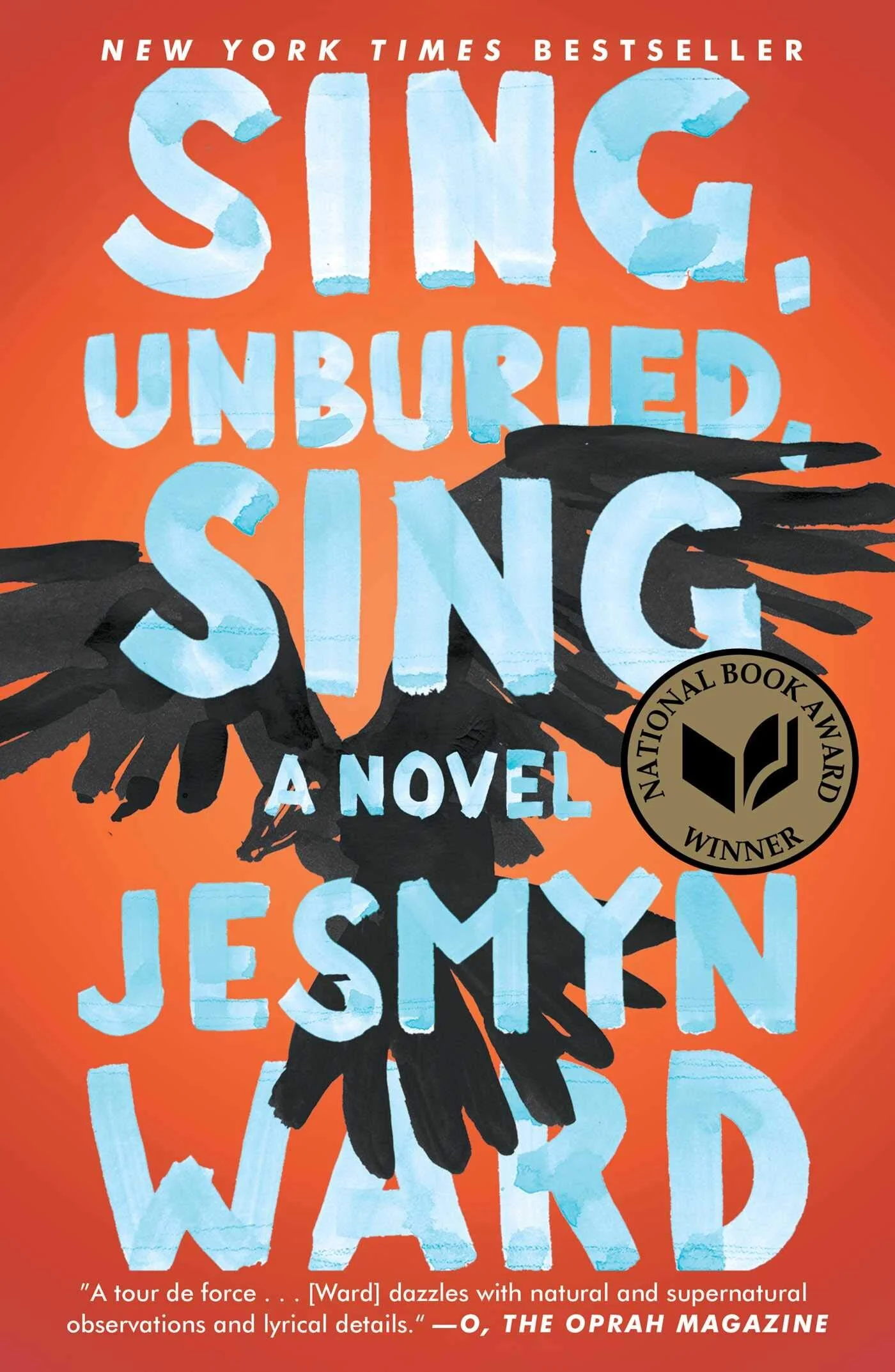
Sing, Unburied, Sing by Jesmyn Ward

I have been wanting to get to this one for a while, and now, several weeks after finishing it, feel like I'm still grappling with it. The writing and imagery was illuminating and the story shed light on tough topics like loss, abuse, racism, and addiction. I can’t say I loved Sing, Unburied, Sing, but I appreciated it for what it was: a story of hope, family, and redemption despite all of the hardships.

  • Overall Score: B-

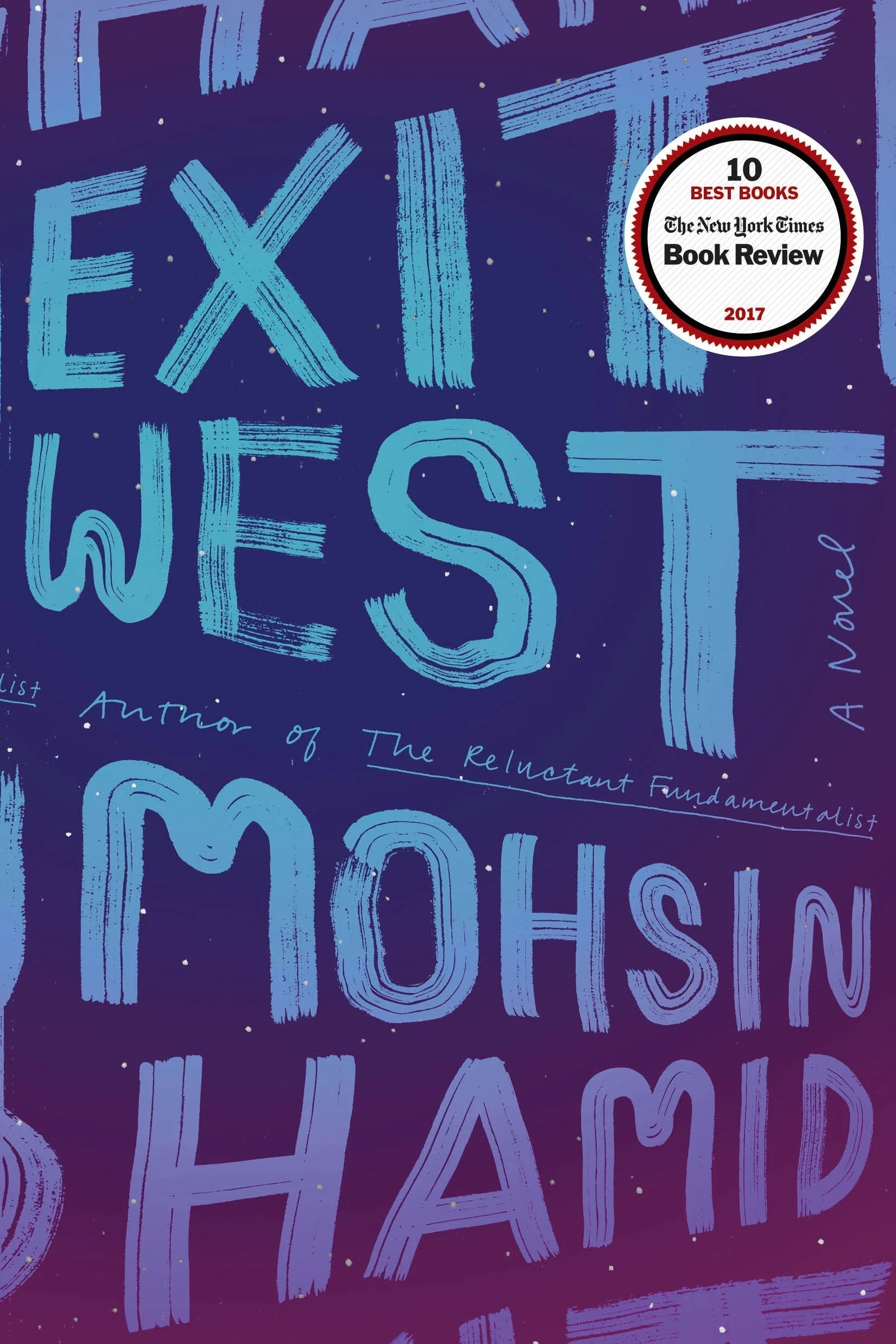
Exit West by Mohsin Hamid

Exit West was gifted to me and came highly recommended to me by several friends, but ultimately, this book just didn’t work for me.

It is a quick read, written in a unique style comprised of paragraph long sentences and vivid descriptors. However, I was unaware of the mystic aspect of the book prior to reading and was really thrown off by it. I felt like Hamid took a shortcut by creating these magic doors, because I think that the characters’ transitioning between countries could actually be a really powerful and complex part of this refugee story.

  • Overall Score: B-

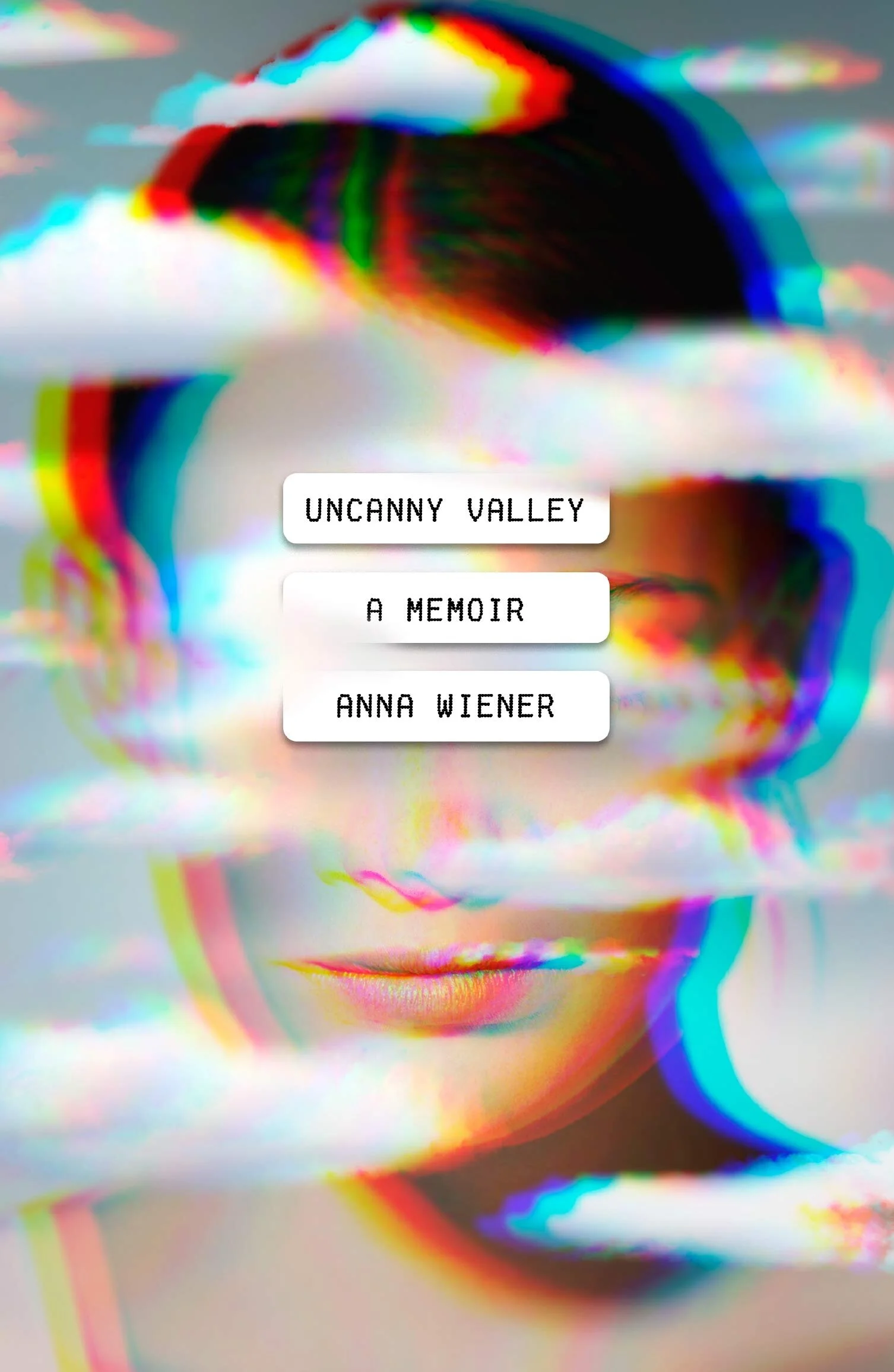
Uncanny Valley by Anna Wiener

I will start by saying that based on the types of books I typically gravitate towards, this isn’t one that I would probably have sought to read had it not been my book club’s book this month. Overall, I finished Uncanny Valley feeling rather “meh” about it. What I enjoyed most about the book was continued contemplation on the idea of “optimization” that I began pondering earlier this year reading Jia Tolentino’s essays in Trick Mirror. The idea that, “A world improved by companies improved by data… A world freed of decision-making, the unnecessary friction of human behavior, where everything — whittled down to the fastest, simplest, sleekest version of itself — could be optimized, prioritized, monetized, and controlled.”

Even more than that description, I related with her rebuff of that optimization mindset where she lists all the reasons why she enjoys her “inefficient life,” saying:

“I liked listening to the radio and cooking with excessive utensils;…Folding the laundry. Copying keys. Filling out forms… I even liked the post office, the predictable discontent of bureaucracy… I could sometimes get frustrated, overextended, overwhelmed, uncomfortable. Sometimes I ran late. But these banal inefficiencies— I thought they were luxuries, the mark of the unencumbered. Time to do nothing, to let my mind run anywhere, to be in the world. At the very least, they made me feel human. The fetishized life without friction: What was it like? An unending shuttle between meetings and bodily needs? A continuous, productive loop? Charts and data sets. It wasn’t, to me, an aspiration. It was not a prize.”

Apologies for the long quoted excerpt, but I, personally, thought this part of the book was written excellent and so relatable. I also valued her perspective as a woman working in the predominantly male dominated world of tech. Regardless of if the book blew me away or not, I will always appreciate first hand accounts of other’s experiences navigating different parts of the world that I may or may not ever see for myself. I am have never been particularly enamored by the tech scene/Silicon Valley/startup culture, so I found this to be an interesting way to learn a little more about it. I also thought her choice to use generalized descriptions for proper nouns (i.e. “the online superstore” instead of Amazon) was interesting. Would like to know why exactly that choice was made because it was a bit distracting. Overall, not my favorite, but also didn’t hate it. Weiner is a great writer, but I wanted a bit more feeling from her.

  • Overall Score: C

Rekindling an Old Flame: My Journey Back to Reading (and How You Can Do It Too!)

One thing you may or may not know about me is that, in addition to my passion for all things artsy craftsy, I am an avid reader and lover of books.

I recently started listening to the podcast Bad on Paper, which I am absolutely loving. One of the hosts, Grace, has her own blog called the Stripe, which I also checked out. I loved the way that she does a post each month highlighting everything she read that month and her reviews. So I’m actually going to take a page out of her book (pun intended) and start sharing my reads and reviews on here on a monthly basis! It’s nearing the end of February now, so my first Reads & Reviews post will cover what I’ve read in both January and February 2020, but after that, I’ll post monthly!

This idea came as what I see to be the next step in me sharing my rekindled love of reading. But before I got to sharing my monthly reads and reviews, I thought it might be helpful or interesting to share more about my lifelong journey with books and reading, as well as challenge you, my readers, to make some small changes to encourage reading growth in your own lives. I do this in hopes that, if you’re reading this and hoping to spark (or rekindle) your own relationship with books, you might find some ideas or inspiration to help you!

bookworm-01.png

The Storied History of a Bookworm

Get it? Storied. Books.

SORRY (not sorry), the book puns are just too easy, I can’t not take advantage of them, right?

But I digress. Let’s first travel back in time to the early days of Bookworm Brea.

For as long as I can remember, books have played an important role in my life. One of my earliest memories is of time spent hopping up on my grandma’s lap in her comfy chair and having her read Jake Baked the Cake by B.G. Hennessy,The Berenstain Bears series, or (of course) one of many Dr. Seuss books to me for the millionth time. My mom took me to weekly “Story Hour” at our local library and says I was the earliest reader of my siblings, beginning at the age of four.

In grade school, I remember being enamored by several book series. One was the Junie B. Jones series by Barbara Park, which chronicled the mishaps and adventure of sassy young Junie. I had an obsessively organized bookshelf of pretty much every book in that series, and there were a lot of them. 

I also loved the Magic Tree House series by Mary Pope Osbourne, the American Girl series by Valerie Tripp (Josefina was my favorite), and the Babysitters Club series. This is about the time I also discovered Shel Silverstein’s poem books. Shel partially inspired me to write some poems of my own, which my grandma then lovingly made into my own poem book (aka a binder of my poems on pages with different colorful borders, inserted into page protectors). I reallllly hope that poem book still exists somewhere in my family’s attic. I’m sure it would give a good laugh these days. I was also obsessed with the book Holes (and later the movie starring Shia LaBeouf too).

With middle school and high school came my Harry Potter and Nicholas Sparks phases and I most definitely was an early adopter of the Twilight series as well. I also read The Book Thief by Markus Zusak during this period, which, to this day, remains one of my favorite books and was certainly a catalyst for my love of WWII historical fiction in general.

I will say, growing up I was never a fan of “required” reading. I liked to be the one making the decisions about what I read and when, even if it’s a book I’m interested in (oh, hello stubborn teenage Brea!). This included all of the classics assigned to me in my high school Honors English classes. At that time, I was a big fan of Spark Notes or movie adaptations of the books to get by. Nowadays, I have a newfound appreciation for classics that I definitely did not have at the time and am slowly trying to check classics off my list in-between my endless list of modern “to-reads”.

Post-high school, I pretty much completely drifted away from leisurely reading during my years at college (as many do) due to a lack of time and onslaught of mandatory reading for my classes. In hindsight, I wish I would have still prioritized reading for enjoyment at least a little bit during this period. Reading has always had such a positive effect on my mental health, I think during those stressful times in college, more (leisurely) reading might have been just what I needed.

After college, I packed up and moved to DC to start my career. Once I was settled in my first, full-time job I finally (slowly) started getting my groove back and with each year I’ve leaned into reading more and more.

The Rekindling Begins… With Some Goal Setting

Somewhere along the line I was introduced to Goodreads (you can find my profile here - friend me if you’re on there too!) and have loved using that platform to keep track of all things books, including my lengthy to-read list and reviews of books I’ve read. The Goodreads platform can be a little clunky sometimes (I feel like I need to start a crowdfund to redo the app - I can’t be the only one!) but I love its annual Reading Challenge.

In 2018 as my first challenge to myself, I set a goal of 18 books for 2018. I needed to read a book and a half a month to reach my goal. I honestly had no idea if this was an overambitious or totally achievable goal or not since I hadn’t been really keeping track of how many books I was reading until then. And boy did I read some AMAZING books that year! You can see a complete list of all the books I read in 2018 here, along with my favorites (Also spoiler alert: I hit my goal!).

Then, going into 2019, I’ll be honest, I don’t know what happened… but it was like someone lit a reading fire under my @$$ and I read five more books than my target for a total of 24 books. I was all “I’m baaaack” to my fellow bookworm friends. You can also click here to see all of the books I read in 2019, along with reviews of my top three books.

After blowing my 2019 goal out of the water I decided that I needed to set an even more ambitious goal. I ditched the idea of my goal matching the year number (it would’ve been 20 for 2020) and decided to switch to my age (27) instead. The good news is, I’m off to a great start, netting six books in January alone.

But ENOUGH with all of the quantification. While I do appreciate the goals I’ve set for helping me stay motivated with my reading, they are certainly not what it’s all about. In fact, I have pondered how quantifying your reading affects your quality of reading. I never want to feel like I’m rushing through a book and not fully digesting it, simply for the sake of chalking one up towards a goal. I don’t feel that I’m doing that now, but it’s something I want to keep a check on.

There are a few things I’ve learned in my journey back to reading thus far that I wanted to share with you all, in the form of a few challenges, that I hope will bolster your current reading experience to even greater heights.

Challenge #1: Write a Review for Everything You Read

One way I’m keeping a check on focusing too much on quantity is by writing reviews for the books I read. 

These aren’t New York Times level reviews or anything. I mainly just use them as an opportunity to synthesize what I read, and to see if any new revelations or broader ideas reveal themselves to me as I write. They aren’t as much for others as they are for myself, though I do post them on Goodreads where they are public so I try to organize them in a coherent way. 

I’ve found that when you read a good number of books (especially if they tend to be the same genre) the details can become a little blurred in your mind. The reviews you write are also helpful in reminding you of some of those smaller details when you revisit the review later.

Also, if you’re posting your reviews on a place like Goodreads, others can comment on your review and share their thoughts on your thoughts, creating a community. More on that later. 

Challenge #2: Search for Time in Your Schedule That Can be Filled (or Replaced) By Reading

When talking with others about my rekindled romance with books, the thing I think I hear the most is, “That’s awesome, I really wish I had the time to read more.” 

To that, all I really have to say is if you are intentional and prioritize it, you will find that you have time to read.

Unless you’re one of those off-the-grid anomalies, odds are you are spending at least an hour per day in front of some sort of screen. No judge - I admittedly could taper my time spent scrolling through other people’s highlight reels on Instagram. But you may just need to make the decision that you’re going to pick up your book instead of reaching for the remote. 

Alternatively, you can try carving out specific times in your day to read. That can mean that you get some pages in over lunch at your desk, or that you head to bed a half hour earlier to read and wind down before falling asleep. I’m a big fan of this option and it turns out it is a great way to help your brain shut down for a restful night of sleep. OR if you’re a morning person (good on you, I am certainly NOT), coffee + books is always a great combo.

I also try to always keep a book in the bag I carry, in case I’m presented with a good opportunity to read wherever I go. This happens more often than not as someone living in a city, where I can bring out my book on public transportation or in a waiting room. And if you’re a Kindle owner, this is a great option for you since Kindles are lightweight and portable.

Challenge #3: Create (or find) a Comfortable Space That Evokes a Desire To Read

I’ve also found that atmosphere can play a part in encouraging my reading. You can do this by creating a cozy spot in your home where you’ll look forward to curling up with a book. 

For me and my partner, we have a papasan chair in our bedroom in front of a window where we always keep a fuzzy blanket. It’s become one of the preferred reading spots in the house (that’s if our cat, Jack, isn’t snuggled up on it first). I’d recommend putting on some light background music (I prefer coffeehouse jazz instrumentals so I don’t get distracted). Fuzzy pajamas, candles, and perhaps even a glass of red wine also tend to make excellent additions to this set up.

If you’re short on space in your apartment to create your zen reading space, consider seeking it out in your community. Coffee shops and local bookstores are great places to hole up and get lost in your current read. Reach out to your reading friends and solicit recommendations for cozy spots in your city.

Challenge #4: Embrace Multi-booking (Format-wise and Content-wise)

Another small change that has been a game changer for me in terms of my reading is becoming a multi-booker.

What’s a multi-booker, you ask? 

A multi-booker is a person who simultaneously reads at least two books. Until not long ago, I was actually a fervent single-booker, focusing on only one book at a time. I felt like I would get confused jumping from one story to another and back. Using this method, obviously one typically gets through individual books a little bit faster. But I’m so glad I switched to multi-booking for a number of reasons.

For one, sometimes length of books would affect my willingness to carry them around with me and thus, I would only read them at home. Nobody wants to be lugging a 500 pager on the metro, amirite? So I would strategically pick and larger and a smaller book to read simultaneously so that the smaller one could be the one tossed in my bag to carry around with me, while the other could stay on my bedside shelf. Another option is to invest in a Kindle for this exact purpose, as they are lightweight and easy to carry around. I was gifted a Kindle a few years back and enjoy using it for this purpose, though I do still prefer reading paper books.

Another format to consider incorporating into your new multi-book plan is audio books. Audio books are perfect material for road trips or commutes and offer a totally different “reading” experience (since you’re actually listening, not reading).

There are certain types of books that I think lend themselves best to audio versions, and others where I definitely still prefer to read the hard copy. For example, I really enjoy listening to memoirs or funny books via audio because they are often narrated by the author and I feel that enhances the storytelling for me (listening to Michelle Obama read Becoming or Mindy Kaling read either of her books was an awesome experience). It feels closer to a podcast or an intimate conversation in those cases, which I love. One of my favorite books that I listened to last year was Daisy Jones and the Six by Taylor Jenkins Reid. By and large, this is an excellent read, but I’m SO glad I decided to listen to it. There are many main characters in the book and they are all narrated by a different person, which created such a dynamic and alive listening experience.

A key takeaway I found regarding audio books is that environment matters. For me, I can’t listen to an audio book while I’m actively doing something else like working on my computer. I get too distracted and after a while will realize that I hadn’t actually been processing any of the information and I have to rewind and listen again. I decided that the best way for me to incorporate audio books was into my morning and afternoon commutes, where I subbed them in for when I would traditionally listen to podcasts or music.

The other benefit of multi-booking comes when you diversify the content of the multiple books you read at once. That’s because, let’s face it: depending on the type of book you’re reading, if the content is heavy or too light, you might not always be in the mood to pick it up, based on your day-to-day life and what’s going on around you. It might not be for everyone, but if I’m reading something a little emotionally heavier, I like to consecutively be reading something light or funny that I can grab when I want to read, but don’t want to pile on the feels to whatever else is going on in life. 

Challenge #5: Find and Join a Book Community

The last recommendation I have for those looking to in (or back in) to reading is to find and join a book community. 

Last year, I became a part of the Girls’ Night In bookclub in November which I absolutely LOVE. Honestly, not sure how I had not joined a book club before then (?!). Between the snacks, the *cozy vibes*, and the intellectual convos, it’s 110% my scene.

The deadlines that book clubs impose can motivate you to pick up your book so that you’re prepared for the discussion when your club meets. My book club has been such a great opportunity to meet like minded book nerds, and to have a safe space to explore a plethora of different topics that books brought to light.

One of the things that I find most amazing about books, is the ability for it to have different meanings for every person who picks it up. Every person in our club reads the same words, but comes away with totally different feelings and interpretations. It’s so interesting to come to the table each month with my own thoughts and to hear what others found interesting or problematic about the book. The members of our group come from all different cultures and backgrounds and, as such, approach each of our discussions with a completely different lens. I find it so intellectually stimulating to hear all of the different perspectives of my fellow members. It thoroughly enriches the entire reading experience for me.

I also enjoy attending author talks when I have a chance. If you’re like me and live in or near a city, I’d recommend subscribing to email newsletters for the larger bookstores around you, as they will often share the authors visiting each month. 

And besides IRL book communities, there are so many online book communities out there including Goodreads, which I’ve mentioned before. 

Furthermore, a huge part of my personal journey back to reading has been that I’ve had a partner on the journey. My boyfriend is also passionate about reading (though our preferred genres are often pretttttty different) and it’s not weird to find us in bed side-by-side, reading together on a night in. We mutually enjoy discussing current reads, liking each other’s reviews, and helping the other decide what to read next. I know this won’t be the case for everyone, but it has definitely been a positive force for me.


All in all, I think rekindling a reading hobby is sort of like working a muscle. At first, depending on the person, it might feel a little weird or awkward incorporating more reading into your routine. But I believe that the more you carve out the time, the more natural it becomes. 

I realize that reading isn’t for everyone (actually - I kind of don’t believe this, as I think people who dislike reading just haven’t found the right thing or way to read). But if it’s something you once loved and miss or you’re just looking for a hobby that is going to pull you away from the electronic grip we’re in these days, I’d encourage you to take on at least a few of the challenges above. Your brain (and your trivia team) will thank you.

Why Your Nonprofit Should Focus on the Power of Instagram Stories in 2020 (And 5 Ways to Start)

With 7 billion users worldwide, 1.1 billion monthly users, and 75 percent of users taking action, it’s pretty easy to see why nonprofits are choosing to invest their valuable resources on the fastest-growing of the Big Three social media platforms: Instagram.

If you didn’t already know, the visual storytelling app allows users to upload photos and videos to their profile page and browse through other users’ and organizations’ posts in a newsfeed. What makes Instagram different from other social media networks (like Facebook or Twitter) is the way people use it. Instagrammers are checking the site multiple times a day and engaging with posts at a much higher rate than with other platforms. According to Nonprofits Source, 30 percent of nonprofits use Instagram to create inspiring messages about their mission, build awareness, and attract donors.

In August 2016, Instagram took a page from then Snapchat’s book when they launched Instagram Stories, a new feature that would let Instagram accounts post photos and videos that vanish after 24 hours. Nowadays, over 500 million Instagrammers use Stories daily, more than twice the number of users Snapchat has for its entire app (Sorry not sorry, Snapchat).

With Instagram’s complex algorithm continually changing and choosing which posts to show users when they log in, many organizations are frustrated by lack of engagement and are struggling to get in front of their target audiences on the medium. However, because Stories occupying prime real estate on the app as the very first thing users see when they open it and they are not shown in chronological order, organizations are now seeing the value in spending more and more time on Story content then feed content.

And where feed photos often tend to be hyper-curated and polished, Stories offer nonprofit’s a unique opportunity to add more of a human touch to their cause and organization. As an article on Recode by Vox puts it, “Stories offer a low-pressure alternative to Instagram’s high-pressure photo feed.”

However, if you’re like many nonprofits with limited staff or resources you may be wondering how you can make Instagram Stories work for your organization. So today, we’re covering five ways you can get started with Stories! 

1.    Use Stories to give a human touch to your organization.

So much of what is often posted on Instagram feeds can feel too perfect and almost unreal…right? As the “Instagram vs. Reality” movement sums up, filters and angles can distort reality so that when you’re scrolling the feed you’re seeing an idealized world where everyone is climbing mountains or eating at fancy restaurants every day.

Now, we could write a whole other article about this concept, but suffice it to say that Stories emerged as the bar for what was “Instagram-worthy” raising every day. Instagram knew they had to do something to re-engage their users and encourage them to share even the less-than-perfectly-curated parts of their lives. “The biggest problem [people had] with Instagram is feeling the pressure of sharing really amazing photos,” CEO Kevin Systrom told Recode by Vox last summer. “People want to actually share a lot more, but they don’t want it to hang on the gallery wall.”

That same article sums up the spontaneous nature of stories that your organization can capitalize on saying:

“Stories are supposed to be spontaneous, realistic and fun — a simple slice of real life, or a daily video journal. Most Stories content is shot casually and quickly through the Instagram app’s camera. And because viewers control playback — it’s easy to advance through a story at the pace you desire or skip it entirely — time-consuming video editing isn’t required.

Videos can be shaky or blurry. They can feel raw and unpolished. They can sometimes get tedious. But because they’re full-screen in the mobile-native vertical format, they’re instantly engaging, especially on larger smartphones.”

So how can you show that “raw, unpolished” side of your organization that is going to resonate with the real, imperfect humans on the other side of your profile?

Well, for starters, you can utilize Stories to document a journey or show, organically, how your mission and organization helps its beneficiaries. Since Stories are only around for 24 hours, you can experiment with different content a lot more freely than what you might post to your grid. Share photos of your team or of volunteers working in the field, videos of your organization’s day-to-day, or even a tour of your office space or campaign headquarters. Flip your phone around, hit record, and explain your “Why” of the work you do and why you do it, and then follow it with a heartfelt ask for donations.

As mentioned before, Instagram stories don’t always have to be scripted and thoroughly planned out. While you can map out your feed content weeks in advance and carefully doctor each and every post, Instagram stories take very easily to impromptu and spontaneously posting schedules – which is great when you want to share something in the moment!

Stories give your organization the ability to produce content faster and on limited resources ten times more accessible and actually achievable. This is a major reason Stories can be so useful for nonprofits in particular.

2.    Stickers, stickers, stickers!

Instagram Stories have these super awesome and versatile “stickers” that are available to all users and enable you to add extra context to your Instagram Stories content. You can add anything from a location, time, or temperature to a hashtag to your Stories to make them even more compelling and interactive for viewers.

Here are a few of the different stickers available and some creative ways your organization can utilize them:

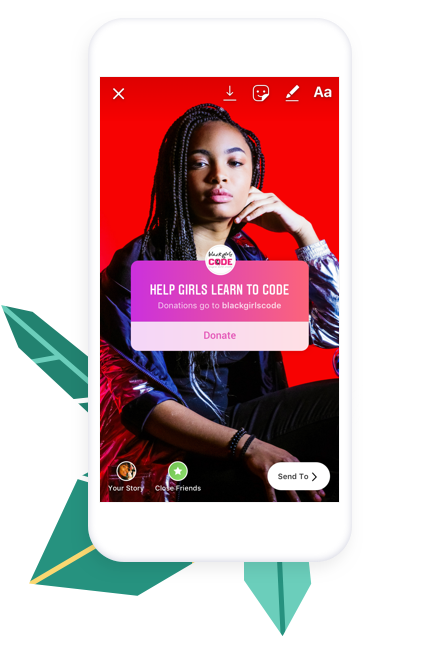
  • Donate Sticker: We had to lead with highlighting this relatively new sticker option that is a gamechanger for nonprofits!  Like Facebook Fundraisers, which have made a real difference for some organizations, the Donate Sticker allows users to raise money for nonprofits from their followers. Note: There are eligibility requirements and you have to take a few steps to make sure your organization is set up properly so that others can raise funds for you.

  • Questions: This particular sticker is a GREAT way to engage your audience by offering them a direct line of communication to share their thoughts with your brand! When you ask your audience a question, their responses are sent to you as DMs. Conduct a Q&A via stories by asking your followers what questions they have about your organization. AKA “ask me anything!” Another great way to use the Questions sticker is by sharing information as a thought leader or expert in your organization’s field. For example, if you’re a nonprofit that focuses on financial literacy education, you might post a question that encourages your followers to ask you any questions they have about money/financial literacy. You can obviously reply directly to each person who submits a question with your answer, or you can choose to share their response (aka their question) to your story along with your answer to show you’re listening (and as an easy way to create additional content).

  • Quiz: Use this sticker function to create fun multiple choice quiz questions for your audience to answer. This is another great way to creatively educate your followers on your organization’s mission and to make it more fun than just iterating facts! As M+R points out, you can also use quizzes to measure what your social media audience knows and what they might need to know more about from you.

  • Interactive poll sticker: Ask a question and see results from your followers as they interact and cast their votes! Use the opportunity to ask “this or that” questions to find out your followers’ likes, dislikes, and what they’d like to see more of from your organization. Some questions Later suggests using polls to find answers to are: “Would they rather see more content in your feed or stories? Do they prefer more behind-the-scenes content or editorial shots? Do they like reading long or short captions?” People love sharing their opinion, so be sure to ask!

  • Emoji Slider: Emoji sliders are essentially a different way to ask interactive poll questions. Choose an emoji that represents your question and your audience can just drag the emoji to the left or right to show how they feel. One pro of using the emoji slider is that you can offer more than two options for a question.

  • Countdown sticker: You can use countdown stickers to build excitement for a big event or announcement! New blog post coming out Friday? Make a countdown for it. Organizational milestone or birthday coming up? Make a countdown for it. Oh and P.S: Did you know that people who watch your Insta Story can tap on your countdown and choose to set a reminder for themselves to celebrate with you when your countdown is over or share your countdown in their own Insta Stories? #themoreyouknow

  • GIF: Search Giphy and embed a GIF within your story to add some movement. GIFs are fun and relatable and make people laugh. No further explanation needed.

  • @Mention: Tag any organizations (volunteer or business) that your nonprofit works with to give kudos - they’ll almost always re-share the positive content!

And one final bonus: if you have more than ten thousand followers (no pressure if you’re not even close – that’s A LOT of followers!), you have the ability to include a “Swipe Up” link directly from your Instagram stories where you can direct users to your website or to content posted elsewhere. This is a really awesome feature to utilize, if it is available to you, as it takes a step out of the process of directing viewers to a link in your profile and, statistically, 15%–25% of people swipe up on a link in branded Stories.

3.    Create Strategic Story Highlights on Your Profile.

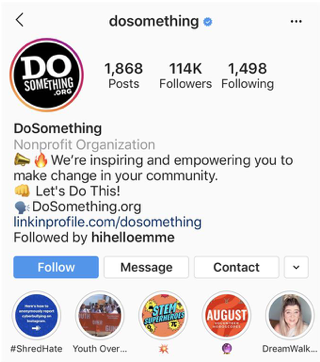
Even though Instagram Stories have a short shelf life (just 24 hours at the top of your follower’s feeds) there is a way to get more “work” from them as pieces of content: Highlights. Nope, not the kind you get at the hair salon or the kind you see on Sports Center. We’re talking Instagram Story Highlights where you can group a series of past stories into a highlight with a title and cover photo that will remain on the Instagram profile until it is deleted.

dosomething.png

Highlights are another great Instagram tool to take advantage of. You can create a series of highlights, as they are not only aesthetic but can be a strategic way to “highlight” the things you especially want your followers to see. For example, take one day to post a series of Stories that are a creative introduction to what your organization does. Then you can save that entire Story as a highlight named “About Us” where anyone who visits your profile can click through and immediately learn more about your mission.

On their blog, Wild Apricot also points out a few other ways to utilize the highlights space. They contend that highlights are great for:

  • “Promoting recurring events, so that your supporters can see what the last event looked like and be inspired to sign up for the next one. 

  • Sharing updates on ongoing campaigns. That way, anyone who’s new to your Instagram account can easily tap into them and see everything that’s happened, all in one spot. 

  • Finally, they make it easy to save any videos or images that are evergreen and that you think supporters might want to refer back to or watch again.” 

4.    As with most things digital, video is king. So utilize it!

So many people are scared to death of video, worrying how they look on camera or that they won’t know the “right” things to say. Don’t get me wrong, it can be nerve-racking to jump in front of the camera before all of your followers, but with 81% of businesses using video as a marketing tool in 2018, it’s time to make the leap (or double down)!

In case you could use a refresher or you’re totally new to this video concept, this article by Medium summarizes 8 reasons why, in fact, video content is king, including: 

  • “Videos Capture Attention & Increase Engagement - When it comes to creating content, your main objective is to put something out there that will capture the attention of your audience. Videos demand more attention than any other medium and also open up plenty of opportunities for engagement.

  • Videos Can Explain Everything - Videos are a great way to show how your product or service works because they show things in action. Text-based content isn’t useless by any means, but a video has the power to bring concepts to life in a whole new way. The bottom line is, most people easily retain information that they process visually.

  • Videos Build Trust & Relationships - When your audience can see you on screen they are able to get a feel for who you are and can start to build a personal connection with you. Conversions and sales wouldn’t exist without trust, so keep in mind that content marketing runs on the long-term relationships you create.

  • Videos Create An Emotional Connection - This point also connects back to establishing trust. Through video content, you’re being transparent by putting your face, voice, and personality on display. People connect with other people, and this makes video one of the most powerful ways to spark emotions online. Creating content that triggers the emotion of your audience can inspire them to take action and have a positive impact on their decision-making.

  • Videos Can Increase Traffic - The more time that people spend viewing your content the better. Rather than text where someone can quickly scan through and move on, videos have higher retention rates since more people will stick around to watch them. When they spend a lot of time viewing your content, search engines will recognize that your site has great, trustworthy content and this will affect your ranking in search engines.

  • Videos Boost Conversion And Sales - If you offer a product or service, add a video about it on your landing page to increase conversions tremendously. Our body’s most dominant sense is vision, and the majority of information that’s transmitted to our brains is visual. If a video is done right and in a way that provides value and a clear understanding of your offer, it can lead directly to sales.

  • Video Content Is Embraced By Social Media - There are so many platforms out nowadays, and most of them are leaning towards how they can support video marketing. Social media is welcoming plenty of video features to connect with its users. We have Snapchat, Facebook, Instagram, YouTube, and more, and there’s no sign of video content losing its charm anytime soon.

  • Video Content Can Be Repurposed - There are endless possibilities when it comes to repurposing your video content. Whether you’d like to use images or clips from videos for promotion or share some behind-the-scenes stuff with your audience, one great piece of video content can be repurposed in countless ways.”

A recent Social Insider study found that of the 2,548 business accounts they studied, half of all the brands were using video in their Stories. Video was also outperforming Stories with images by having a 5.65% lower tap-forward rate. In terms of keeping people engaged with your content and not moving on to the next thing, people tend to “drop off” more on photos than on videos.

5.    Make sure your organization’s Instagram is a Business Account.

Plain and simple: your organization is missing out its Instagram is a personal account and not a Business account. It’s free to become a Business account, and it provides you with several useful tools that you don’t have access to with the personal account including analytics and a Contact and Donate button on your profile.

When you become a business account you gain the ability to identify your “type of business” and list yourself as a nonprofit so that when users land on your profile, they’ll know right away that you have a social mission. Making sure you include your website and contact information on your new business profile is crucial as well.

With your new business profile, you also gain access to insights like impressions, engagement, and reach on all of your posts and stories. Social Media Examiner has some great Instagram-for-business tips on how to set up and analyze your new business profile.


All of this said, Instagram stories should not be the only place your organization is investing its time or resources. According to a study posted last month by Rival IQ which combed data from over 29k Stories and 145k+ individual frames, posts on your Instagram feed still get statistically more reach than Stories. Therefore, they suggest a strategy where you “hook viewers with posts and keep them engaged with Stories.” At this point, Instagram co-founder Kevin Systrom says that Stories have become “almost as important” as Instagram’s main feed, but have not yet surpassed it.

But as with most things, there is no one-size-fits-all approach to social media strategy. You may find that, for your particular organization, you have a ton of engagement and success with posts vs. stories or vice versa. The important thing is that you have an active presence that positively promotes your brand with your target audience.  

So we want to know, how is your organization going to strategize Instagram stories? If you need some help getting started, check out this complete how-to guide on Instagram Stories from Buffer! 


This article was originally written by me for Atromitos’ Ideas blog and has been slighted edited for publishing here.

Everything I Read in 2019 (+ Reviews of My Favorites)

Untitled design (4).png
  1. Dreams from My Father by Barack Obama

  2. Why Not Me? by Mindy Kaling

  3. Educated: A Memoir by Tara Westover

  4. Lincoln in the Bardo by George Saunders

  5. The Curious Incident of the Dog in the Night Time by Mark Haddon

  6. The Great Believers by Rebecca Makkai

  7. Less by Andrew Sean Greer

  8. The Nightingale by Kristin Hannah

  9. A Man Called Ove by Fredrik Backman

  10. Maybe You Should Talk to Someone: A Therapist, Her Therapist, and Our Lives Revealed by Lori Gottlieb

  11. Where the Crawdads sing by Delia Owens

  12. The Fountainhead by Ayn Rand

  13. You’re Never Weird on the Internet (Almost) by Felicia Day

  14. Eleanor Oliphant is Completely Fine by Gail Honeyman

  15. Know My Name by Chanel Miller

  16. Zeitoun by Dave Eggers

  17. My Friend Anna by Rachel DeLoache Williams

  18. Dominicana by Angie Cruz

  19. Shrill: Notes From a Loud Woman by Lindy West

  20. The Water Dancer by Ta-Nehisi Coates

  21. The Opposite of Loneliness by Marina Keegan

  22. The Tattooist of Auschwitz by Heather Morris

  23. Stay Sexy & Don’t Get Murdered by Karen Kilgariff and Georgia Hardstark

  24. Daisy Jones & The Six by Taylor Jenkins Reid

When I look at this list altogether, the first thing I noticed was, “Wow, this was the year of the blue book cover, huh?” Completely unintentional, but has me thinking, since blue is my favorite color maybe I gravitate towards them?

The next thing I noticed is that genre-wise, I was all over the place, from memoirs to essays to historical fiction and that I mostly read works by female authors! In fact, in 2019, 17 out of the 24 books I read (71%) were written by women. While I’m absolutely proud of this fact and have no intention to change it, I’m a little surprised as I really haven’t been particularly intentional about that either.

Speaking of women authors, three of my favorites from last year were all written by female authors and two were their debut novels! Here are my reviews of each:

  1. Where the Crawdads Sing by Delia Owens

    What a journey Delia Owens takes us as readers on in Where the Crawdads Sing.
    Kya is the true embodiment of grit, persevering and surviving despite several different kinds of heartbreak and turns in her life that would have led many to give up. My heart would break as the story depicted the never failing ability of a child to cease losing hope, as Kya would wait and wait for her mother to come back. The character development in this book was second to none.
    I adored Owens’ vivid depiction of the swamp and marsh and her detailing of Kya’s relationship with nature: a relationship of consistency, education, and support. Mother Nature fills the parental figure void in Kya’s life. It was so interesting to see how Kya, without the help of family or friends, learned much about love and life from learning biology and observing nature. Owens does such an amazing job of transporting readers to the swamp through her imagery, whereby we feel we can almost smell the saltiness of the sea and feel the comfort given by the overgrowth and creatures of the marsh.
    I also enjoyed the way in which the book went back and forth in time between two narratives, where at the beginning it wasn’t clear how the two would eventually intertwine. The connection becomes clearer and clearer as you read on which was a great experience as a reader.
    Owens’ story reminded me of both Tara Westover’s “Educated,” and Jeannette Walls’ “The Glass Castle,” in that each tells a story about a young girl growing up with siblings in a rural setting with an unconventional and sometimes abusive upbringing. The difference is, of course, that Westover and Walls’ stories were memoirs while Owens’ was a work of fiction. Nonetheless, it seems I’ll never get sick of a classic coming-of-age story with a resilient, but very vulnerable and human, female protagonist. But more than just a coming-of-age story, Where the Crawdads Sing had elements of murder mystery and drama, and also moments of romance. There really is a little something for everyone.

    Overall Score: A+

  2. Know My Name by Chanel Miller

    Chanel Miller. Know her name.
    I’m in awe of Chanel’s bravery in sharing her story and all of the painstaking details of what happens after someone is raped. It’s hard to read at times for sure, as you feel her pain, you experience her sleepless nights and anxiety. You see how quickly these decisions by others to take what was not given freely affects someone’s life in every facet from then on.
    Chanel brings us inside the rape clinic, the courtroom, the dark recesses of her healing mind to see up close what she so unfortunately had to experience. You witness the shortcomings of a system that is set up to make victims questions whether or not to pursue "justice" at all, knowing that, as was the case for Brock Turner, even if you "win," your rapist could spend little to no time in jail or otherwise paying for his crimes. She so clearly and vividly points out all of the double standards and frustrations around rape culture, victim blaming, and the justice system and how some peoples' right to safety and to live a full and unencumbered life seems to be valued above others' right to do the same.
    Chanel is an exceptional writer: eloquent, vivid, and unafraid. I’m so glad I was able to read her story, in her own words. I believe her. I’m inspired by her. I know her name.

    Overall Score: A+

  3. The Nightingale by Kristin Hannah

    There’s definitely something to be said for a book that leaves you in tears. This one did just that. Kristin Hannah is a phenomenal storyteller who did nothing short of transport me to another county, another time, another way of life. Books like this are the reason I adore historical fiction.

    I thoroughly enjoyed the immersion into the day-to-day life of characters whose lives were each affected so differently by the war. I was brought to a time that certainly highlighted the very worst of humanity. But despite that, and the many heart wrenching moments, this story was ultimately a tribute to the great courage and strength of women that may sometimes go unrecognized. It is also a story about the power of love.

    I think we all hope to embody a little Isabelle Rossignol in our lives. 

    Overall Score: A


As we move into 2020, I plan on sharing my reads and reviews (just like three above) on here, but on a monthly basis instead of just a year-end round up! If you have any recommendations for books I should read in 2020, please drop a comment below or feel free to email me!

As always, happy reading!

 
Brea+(1).png